Set to the backdrop of rock music, a video originating from the 14th Ukrainian Special Operations Regiment cuts sharply between shots of Russian military vehicles. At the 25-second mark, precision strikes—likely from rocket artillery—light up the screen, followed by secondary explosions, burning wreckage, and wounded personnel. The destroyed targets include a jammer and multiple surface-to-air missile system radars. Despite the target operating 50 kilometers (31 miles) behind the front line, Ukrainian unmanned aerial systems (UAS) were able to locate and identify the highly capable Russian air defense equipment and spot for the precision strikes that eliminated these systems.
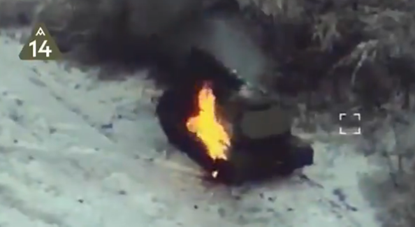
Source: 14th Separate Regiment (UKR), 18 December 2023, via X/Twitter
Drawing on the notable successes of Ukrainian special operations forces (SOF) in degrading Russian integrated air defense systems (IADS) (as shown in the video referenced above), this article explores how their innovative suppression of enemy air defenses (SEAD) tactics offer vital lessons for U.S. and NATO SOF in countering advanced air defenses. It also analyzes why SEAD will be a critical mission set for Western SOF in future conflicts. Leveraging exemplary open sources on the Ukraine conflict, we then tap our novel dataset of SEAD strikes to highlight relevant experiences and derive lessons from recent operations. Although anecdotal and drawn from an admittedly biased sample of publicly available information, which tends to favor successful strikes over failures, the dataset provides useful insights into a complex mission set.
Why the Focus on SEAD?
SEAD encompasses any activity that “neutralizes, destroys, or temporarily degrades enemy surface-based air defenses by destructive and/or disruptive means.” It is achieved by a myriad of tactics, including striking stationary and mobile air defense sites, jamming search and fire control radars, and disrupting communications links that direct surface-to-air missile systems and air defense artillery. SEAD is critical for successful military operations because opening defended airspace enables offensive air strikes, air transport, and aerial surveillance and reconnaissance.
As air defense technology advances and surface-to-air missile systems achieve longer effective ranges, many assets supporting SEAD operations will be forced to operate farther away from their targets. Non-traditional capabilities presented by SOF offer the chance to get closer to targets in unanticipated ways and overtax adversary air defenders with tactical dilemmas. By disrupting adversary air defenses, SOF can remove or degrade impediments to friendly operations, thereby contributing to tactical, operational, and strategic impacts.
U.S. and NATO SEAD doctrine focuses on creating narrow windows of opportunity for friendly aircraft to successfully fly through enemy defended airspace. Ukrainian forces face different circumstances, however, than the tactical scenarios U.S. and NATO military planners normally consider. Neither Russia nor Ukraine has achieved air superiority, preventing both sides from operating manned aircraft over opposing territory. In addition, the Ukrainians must operate their aircraft at extremely low altitudes to remain beneath the radar horizon of Russian long-range surface-to-air missiles. These obstacles to offensive aerial capabilities make it extremely difficult for Ukrainian aviation to exploit windows of opportunity within Russia-controlled territory.
Despite these challenges, Ukraine has occasionally succeeded in degrading Russian IADS enough to enable tactical operations. Of particular importance to overall operations, reducing the capability of Russian air defenses has increased the survivability of UAS, which provide critical reconnaissance and spotting for artillery fires, strikes from other UAS, and long-range precision munitions. Ukrainian sources have continuously reiterated the importance of the freedom of UAS maneuver and the value of targeting jamming systems, expanding the SEAD target set previously demonstrated in U.S. operations against Iraq and Libya. With better local conditions, precision munitions survive adversary aerial defenses more often, leading to strikes that have significantly degraded Russian offensive operations.
Ukrainian SEAD Operations Throughout the War
In the early days of the invasion, clumsy Russian offensive moves led to some spectacular successes against Russian air defenses. For instance, armed UAS caught stalled convoys of Russian surface-to-air missiles, demonstrating the vulnerability of air defense equipment in a dynamic battlefield. Additionally, the Ukrainian Air Force was able to successfully employ high speed anti-radiation missiles against Russian air defense radars. While Russian air defense operators adapted to this new threat by limiting their radar emissions, Ukrainian forces were still able to take advantage of the temporary suppression to launch other strikes.
As frontlines became more stable in 2022, UAS-provided intelligence, surveillance, and reconnaissance (ISR) demonstrated significant value for Ukrainian SEAD operations by locating Russian tactical air defenses. These “fixes” were especially effective when paired with Western-provided precision-guided munitions or one-way attack UAS. Ukrainian troops, including SOF, demonstrated the ability to rapidly find and target air defense systems, driving down the time between detections and engagements from hours to minutes. As the effective range and quantity of both Ukrainian precision fires and reconnaissance expanded, Ukrainian forces have been able to target additional operationally-significant air defense systems, such as long-range surface-to-air missile systems and air surveillance radars.
.
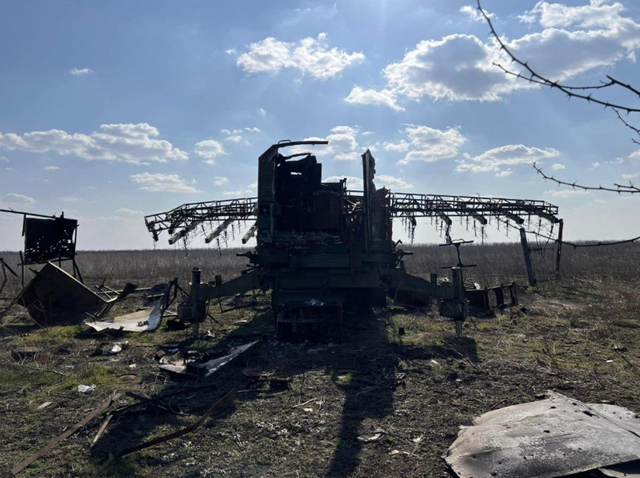
Source: WarSpotting, 22 August 2024, via X/Twitter
Beyond SEAD and enhancing offensive freedom of action for friendly forces, these efforts also carry significant strategic implications. The depth and capability of Russian air defenses forced the Ukrainian military to pursue an attritional campaign against Russian IADS, gradually improving the operating environment and degrading limited Russian resources. Pitting inexpensive UAS against costly IADS, Russia has hemorrhaged expensive and scarce resources and been forced to move assets from other parts of the country. Even with reinforcements, Russia has not been able to stop Ukrainian strikes on tactical targets and strategic targets alike; examples include ammunition depots, airfields, and oil refineries within Russia itself.


Source: DefenseU, 10 April 2024, via X/Twitter
Ukrainian SOF’s Role in SEAD:
Ukrainian SOF, including military special operations units and elite paramilitary formations under intelligence agencies, have played critical roles in many SEAD operations. These special operations forces frequently operate in the same battlespace as conventional military units, but with superior ISR and attack UAS capabilities. Ukrainian SOF units benefit from additional resources and support, especially uniquely qualified personnel like pre-war UAS hobbyists and engineers. These personnel are especially critical in the cat-and-mouse game of UAS countermeasures and counter-countermeasures to quickly adapt to improvements in Russian defenses. This adds value to local operations, including against air defense targets.
While many of these intelligence and fires capabilities are not specific to SOF, Ukrainian special operations units are able to leverage their organizational flexibility, human capital, and superior resourcing to generate significant battlefield effects against high value targets. Several Ukrainian SOF units with specialized UAS capabilities, such as the 14th Ukrainian SOF Regiment and the Alfa unit, have contributed to a significant number of the published SEAD strikes. In fact, these two units alone account for over 12% of successful strikes on our tracker of open-source videos. Similar to classical special operations raids, short duration targeting operations and strikes improve local operating conditions in the short-term and continue to wear down the Russian IADS in the long-term.
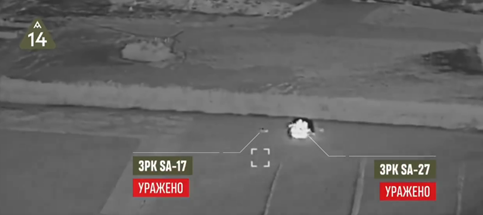
Source: Rob Lee, 2 January 2024, via X/Twitter
Lessons Learned for U.S. and NATO SOF:
Should war come to Europe again, the ability to degrade Russian IADS will be critical to future U.S. and NATO defensive operations. Ukrainian forces have demonstrated many lessons for SEAD, giving Western SOF the opportunity to take valuable insights. In large scale combat operations against advanced air defense systems, additive effects to locate, overwhelm, and degrade IADS by multiple contributors are critical to counter the scale and complexity of the problem. Ukrainian SOF have successfully demonstrated the ability to contribute to overall SEAD operations by assisting at critical junctures in the targeting process and leveling up local capabilities. They more effectively destroy and damage air defense systems, complicate survivability for Russian air defenders, and force Russian IADS to defend against a wider array of high and low technology threats. The potential contributions of SOF to SEAD do not represent a “golden bullet” to solve the problems presented by IADS, but when combined with other efforts against an already strained target system, SOF’s contributions can provide previously absent or limited advantages. Even minor improvements over time against adversary air defenses open opportunities for other components of the joint force. Altogether, this can set the conditions for strategic impacts through air superiority and targeted strikes.
Precision Targeting
The Ukrainian experience in SEAD operations reiterates the value of well-developed target system analysis and operational employment. Pursuing tactical targets with strategic impacts has long been a tenet of Western SOF ethos. Success in targeting adversary IADS will depend on identifying critical capabilities and vulnerabilities. Ukrainian forces have deliberately pursued the key components of critical early warning systems such as the target engagement radars of Russian surface-to-air missile units and air surveillance radars. Building on the Ukrainians’ example, western SOF should leverage the core principles honed through their long-standing campaigns against terrorist networks to support joint operations against IADS. By doing so, they can complement existing target systems analysis efforts with their distinct capabilities and perspectives. The integrated air defense system consists of platforms, people, organizations, and other subsystems ripe for disruption through SOF targeting efforts.
SEAD Raiding during Campaigns of Attrition
U.S. SEAD approaches emphasize massing capabilities for brief, localized suppression of enemy air defenses. Yet Ukrainian SEAD operations have demonstrated the effectiveness of using the same capabilities for attritional SEAD, intensifying dilemmas by degrading limited and critical components of the Russian IADS. While there is value in providing carefully synchronized effects at critical points in a tactical operation, “SEAD raiding” should not be discounted. Similar to British Special Air Service raids targeting parked German aircraft in North Africa during World War II, SEAD raiding entails strikes directed against high value targets to impact the overall IADS over the long term, rather than merely impacting it for the duration of an air operation. This approach would allow SOF to hinder air defenses through strikes against ‘hard to replace or repair’ components. Supporting aerial strike packages often requires a level of placement, communication, and timing that presents serious challenges for forward deployed SOF teams in a conventional conflict. SEAD raiding presents an additional line of effort to conduct continual shaping operations in support of short duration airpower pulses (a mainstay of the U.S. Air Force’s future operating concept). SOF operating in highly contested environments, cut off from persistent communication, should leverage delegated authorities to deny, degrade, deceive, or destroy valuable portions of an adversary IADS to set more favorable conditions for tactical and operational success of the broader joint force in the future.
Stand-In Capabilities
SOF can utilize their unique placement and access to offer stand-in (operating within the range of adversary air defenses) capabilities. The intended effects can be direct (the destruction of critical systems or successful decoys) or indirect—adversary air defense systems changing behavior to account for the threat from SOF. The latter might include storing equipment in hide sites and frequent movements to avoid detection, which makes key systems more survivable but also decreases radar coverage, leaving gaps in the overall defensive posture.
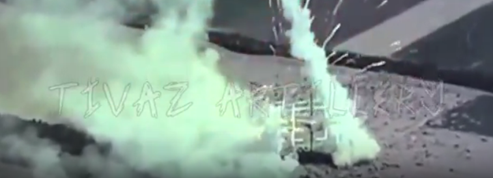
To directly affect Russian IADS once found, Ukrainian SOF have demonstrated a range of kinetic capabilities to engage air defense systems including drone-dropped munitions, first-person-view drones, loitering munitions, and bomber UAS. The ability to engage high-value air defense systems from a distance with precision munitions can open the lane for larger strike packages. In addition, although visible kinetic strikes dominate publicly available footage, non-kinetic options like stand-in jammers could take advantage of their closer range to more effectively jam radars. Moreover, short range decoys can complement long range decoy options to saturate adversary tracking capabilities and draw air defense fires away from other friendly efforts.
SOF can also generate positive effects by providing richer information as part of their core special reconnaissance task. In addition to finding and tracking enemy air defense systems, stand-in SOF can provide “eyes-on” bomb hit assessment and battle damage assessment—both of which are critical to synchronizing dynamic warfighting. With lower visibility capabilities that can complement other forms of intelligence collection, SOF can fill gaps at vital times and places, like coverage under cloud decks. In addition, SOF can leverage proxies and surrogates to perform close-in intelligence, surveillance, and reconnaissance in denied areas and at greater scale. SOF can expedite kill chains, report battlefield assessments, and report atmospheric conditions of the battlespace to best advise the joint force of pacing and timing of effects across all domains.
Source: Yaroslav Trofimov, 24 May 2024, via X/Twitter
UAS Integration
The criticality of UAS to Ukrainian special operations portends the requirements for U.S. SOF to assimilate and master UAS. Ukrainian forces have been keen on leveraging personnel with technical experience from civilian life, and military personnel have continued to master the technical aspects of UAS operations. Western SOF should similarly interface with broad civilian knowledge and prowess to workshop effective organic capabilities within units. Especially given the rapid pace of innovation in unmanned systems operations, U.S. and NATO SOF must embrace this technical adaptability in addition to more traditional SOF skillsets.
Conclusion
Ukrainian SEAD operations during the Russian-Ukraine War have demonstrated a wealth of wisdom. In future conflicts against advanced adversary air defenses, U.S. and NATO special operations forces are again being called to serve as key components within the joint targeting cycle. By embracing lessons from Ukraine, including the value of stand-in capabilities, targeting critical nodes, and embracing rapid technological adaptability, Western SOF can better prepare for the future of modern conflict.
The views expressed are those of the authors and do not reflect the official position of the United States Air Force Academy, Department of the Air Force, Department of Defense, or of any organization with which the authors are affiliated.
Daniel “Droid” Sullivan is a US Air Force lieutenant colonel and combat systems officer. He is an airpower strategist at Headquarters United States Air Force.
Riley Murray is a US Air Force captain currently serving as an instructor in the Military and Strategic Studies Department at the United States Air Force Academy and an advisor to the Irregular Warfare Initiative’s Project Air & Space Power.
Rylan “NY” Neely is a US Air Force Senior Master Sergeant and Combat Controller. Rylan is the Senior Enlisted Leader for Advanced Programs and Special Operations integration for U.S. Air Forces in Europe – Air Forces Africa
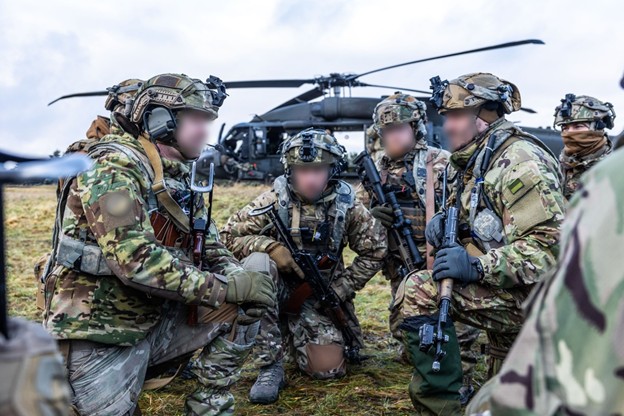
Image: Ukrainian Special Forces Soldiers prepare for a mission with the 12th Combat Aviation Brigade and U.S. Army’s 10th Special Forces Group during Exercise Combined Resolve 16 in Hohenfels, Germany, December 8, 2021. The exercise is designed to evaluate and assess the readiness of the 1st Armored Brigade Combat Team, 1st Infantry Division but also created opportunities for Special Operations Forces from Ukraine and The U.S. along with the Lithuanian KASP (National Volunteer Defence Forces) to hone unconventional warfare skills. (U.S. Army Photo by Sgt. Patrik Orcutt.)
If you value reading the Irregular Warfare Initiative, please consider supporting our work. And for the best gear, check out the IWI store for mugs, coasters, apparel, and other items.


Leave a Reply